
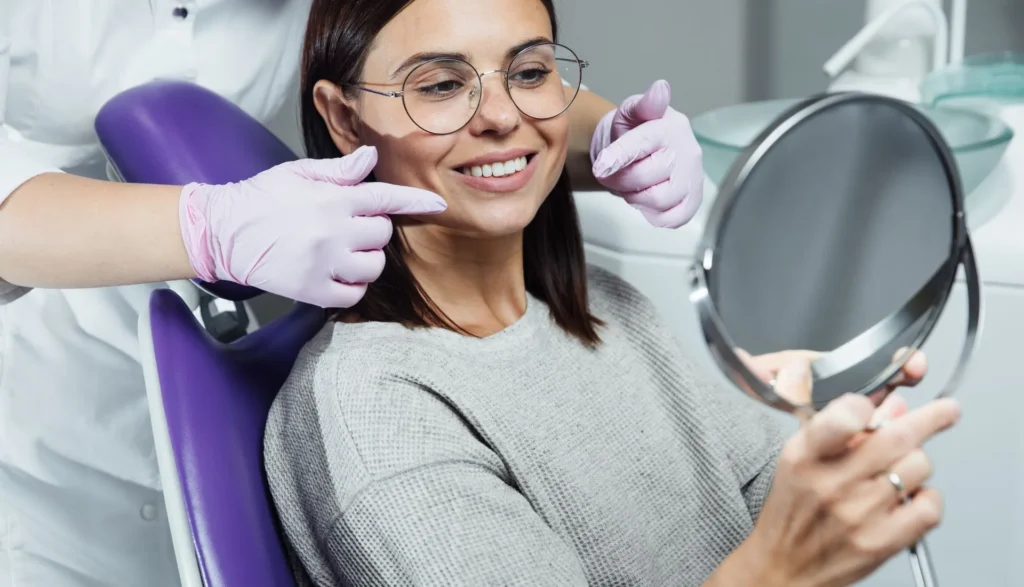
You know what’s funny? Most people, when they find out they need sedation for a procedure, don’t immediately start panicking about the procedure itself.
They panic about after. How long will I feel out of it? Can I drive home? Will I be able to go to work the next day? When will I actually feel like myself again? Honestly, those are the right questions to ask. And here’s the thing — the answers are completely different depending on which type of sedation you’re getting. Different methods work differently in your body. They clear out at different speeds. And they each come with their own recovery story. So let me walk you through all of it. Every type used in dental and oral surgery settings, explained in plain English.
Why There’s No Single Answer
Here’s the truth. There’s no one-size-fits-all answer to this question. That’s because “sedation” isn’t just one thing. In dental and oral surgery settings, there are three main types. You’ve got inhalation sedation with nitrous oxide, intravenous sedation, and general anaesthesia. Each one does something different inside your body. Each one leaves your system at a totally different pace. And each one asks something different of you during recovery. So the first step is knowing which one applies to you.
Inhalation Sedation – Nitrous Oxide
How long does it take to wear off?
Minutes. We’re talking five to ten minutes after they switch the gas off.
Nitrous oxide — yep, the one people call laughing gas — is the fastest in and fastest out option available. You breathe it in through a soft little mask that sits over your nose. Within a few minutes, you feel genuinely calm. Relaxed. Not asleep, just… easy.
Once the procedure wraps up, they turn off the gas and give you pure oxygen for a few minutes. That oxygen essentially flushes the nitrous oxide right out of your lungs and bloodstream. And then? Most people feel completely fine within five to ten minutes. Like, totally normal.
That’s actually kind of remarkable when you think about it.
This is the only type of sedation where driving yourself home afterwards is even a possibility. Your clinician would need to confirm you’re good to go, but for most people? They drive home, carry on with their day, and don’t miss a beat.
If you deal with dental anxiety, inhalation sedation for adults is genuinely popular for exactly this reason. No foggy afternoon. No asking someone to babysit you. No losing your whole day to recovery. It clears cleanly and quickly, and life goes on.
Intravenous Sedation – IV Sedation
How long does it take to wear off?
The big stuff clears within one to two hours. But the subtle stuff? That lingers for up to twenty-four hours.
IV sedation is a whole different league compared to nitrous oxide. A small cannula goes into the back of your hand or your arm, and the medication goes directly into your bloodstream. It kicks in fast usually within about a minute. And it takes you to a deeply relaxed place.
You’re not fully unconscious. Most people can still follow basic instructions during the procedure. But here’s the interesting part: most patients remember absolutely nothing about it. That partial or complete memory wipe is completely expected. In fact, it’s considered one of the genuine benefits.
After your procedure, you’ll rest in a monitored recovery area for roughly an hour. By the time you’re discharged, you’ll probably feel much better than you did right after coming round. You’ll think you’re fine.
And this is where people get themselves into trouble.
Feeling fine is not the same as being fine. IV sedation stays active in subtle ways for up to twenty-four hours. Your reaction time is slower. Your judgement is off in ways you genuinely cannot measure yourself. Your coordination might be slightly wonky even though you don’t notice it.
These aren’t dramatic effects. But they’re real. And they matter a lot.
That’s why the rules around IV sedation recovery exist. They’re not overly cautious. They’re based on actual evidence about how the drugs behave in your body.
For people having oral surgery with IV sedation, intravenous sedation for adults at HI Oral Surgery includes full monitoring and a proper recovery protocol before anyone goes anywhere.
How Long Does Anaesthetic Take to Wear Off?
Okay, this one trips a lot of people up. Local anaesthetic and general anaesthetic are two very different things. Let’s sort them out.
Local anaesthetic is the stuff injected directly into your gum or the tissue near the surgical site. It doesn’t sedate you. It just blocks pain signals from that specific spot. Think of it as putting that one area to sleep.
It wears off within about two to four hours after the procedure. During that window, please don’t eat on the numb side. You genuinely cannot feel your cheek or lip properly, and accidentally biting yourself is way more common than people expect.
General anaesthesia is a completely different situation. You’re fully unconscious. There’s specialist airway management involved. It’s carried out in a hospital operating theatre setting. Most people wake up within about an hour of the procedure ending, but grogginess, slow thinking, and wonky judgement can hang around for the rest of the day. Sometimes they drift into the next morning.
Full cognitive recovery from general anaesthesia — meaning your thinking, reactions, and coordination are all back to genuinely normal — typically takes twenty-four hours. For older patients or those who had longer, more complex procedures, it can take a little longer than that.
How Long Does Anaesthesia Last in Your Body?
This is one of those questions that has two separate answers, and both of them matter.
The obvious clinical effects — the sedation, the drowsiness, the feeling of being not quite right clear within the timeframes I’ve already described. That part people generally understand.
But the chemical traces of the drugs themselves? Those stick around much longer. For IV sedation drugs like midazolam, traces can sit in your bloodstream for twelve to twenty-four hours. General anaesthetic agents can hang around even longer than that.
And that’s the whole reason the twenty-four-hour rule exists.
The 24-Hour Rule – What You Cannot Do After IV Sedation or General Anaesthesia
This is not a suggestion. This is a safety rule. A firm one.
The evidence is clear that impairment continues past the point where you think you’ve recovered. So for the full twenty-four hours after IV sedation or general anaesthesia, here’s what’s off the table.
Driving or operating any vehicle. Even if you feel completely alert. Even if the journey is five minutes. Your reaction time and judgement are compromised in ways you cannot accurately judge yourself. This is an absolute rule. Sort your transport out in advance.
Operating machinery or power tools. Same reasoning applies. Full coordination and fast reactions are needed. You don’t have them right now.
Making big decisions or signing legal documents. Financial choices, legal agreements, anything significant — all of it waits until tomorrow when you’re genuinely clear-headed.
Drinking alcohol. Alcohol and sedation drugs interact badly. They dramatically worsen and extend the effects. Avoid it completely for the full twenty-four hours. No exceptions.
Looking after young children or dependents on your own. You need a responsible adult present. Both to look after you and, if needed, to take on childcare while you recover.
What to Expect Hour by Hour After IV Sedation
Let me give you a realistic picture of how this actually goes for most people.
Right after the procedure. You’re in the recovery area at the clinic. You might feel drowsy, a bit confused, maybe even emotional. Some people cry a little. Some people laugh at nothing in particular. Both are completely normal reactions to the medication. The staff are right there watching over you.
Within the first hour. The heavy grogginess starts lifting. You become more aware of what’s going on around you. Some people feel a bit nauseous during this stage — that’s manageable with medication if it happens.
Hours one to four. Most people feel dramatically clearer here. You can start eating and drinking lightly if you feel ready. Soft foods and water are your friends. Rest at home. Light movement around the house is fine. Nothing more demanding than that, though.
Hours four to twelve. The obvious effects have cleared for most people by now. You might feel pretty normal. But the twenty-four-hour restrictions still apply, because the subtle impairment is still real even when you don’t feel it.
The following morning. Almost everyone wakes up feeling fully themselves after a proper night of sleep. Start gently. If your job involves driving, machinery, heights, or making critical calls, check with your clinician before committing to anything.
How to Recover from Anaesthesia as Quickly and Smoothly as Possible
There are genuinely practical things you can do to make recovery faster and more comfortable.
Sort everything out beforehand. This is the single most important step. Arrange your transport home before the day of your procedure. Confirm your responsible adult knows what’s needed and when. Don’t try to figure this out the morning of your appointment.
Actually rest on the day. I know it feels unproductive. But your body is genuinely working hard to clear medication from its system. Letting it do that job without interruption speeds the whole process up.
Eat lightly and drink plenty of water. When your appetite comes back, start with something soft and gentle. Avoid anything heavy, spicy, or rich on procedure day. Staying well hydrated supports recovery noticeably.
Take any prescribed pain relief as directed. If your clinician has given you something for post-procedure discomfort, take it before the local anaesthetic at the surgical site fully wears off. Getting ahead of the pain is much easier than chasing it once it arrives.
Sleep properly. A full night of good sleep after sedation or anaesthesia is one of the most powerful recovery tools available. The difference between how people feel the evening of the procedure versus the next morning is usually remarkable.
Read and follow your aftercare instructions. Every patient gets full aftercare instructions before leaving the clinic after minor oral surgery. Actually read them. They exist for specific, real reasons.
Factors That Affect How Quickly Sedation Wears Off
Recovery isn’t the same for everyone. A few things play a real role in how quickly sedation clears from your system.
Age. Metabolism naturally slows as we get older. Older patients typically take a bit longer to process and clear sedation drugs.
Body weight. Dosing takes body weight into account, but individual variation in how people metabolise drugs still exists and matters.
Liver and kidney function. These are the organs doing the actual work of clearing sedation drugs from your body. Any impairment in their function extends recovery time.
The specific drugs used. Different medications have different half-lives. The half-life is how long it takes for the drug concentration in your blood to drop by half. Longer half-life means longer clearance.
The dose administered. Higher doses take longer to clear. Simple as that.
Individual metabolism. Some people are just faster at processing medications than others. It’s not predictable in advance. It’s one of those things that varies from person to person.
Sedation Options Available at HI Oral Surgery
HI Oral Surgery offers two sedation options for patients managing anxiety or discomfort during oral surgery procedures.
Inhalation sedation with nitrous oxide is the lighter choice. It wears off quickly, most patients don’t need an escort home, and it works well for a wide range of procedures including minor oral surgery. It’s a particularly good fit for patients with anxiety who still need to get back to normal life on the same day.
Intravenous sedation goes deeper. It’s used for more complex procedures, for patients with higher levels of anxiety, or where a longer and more comfortable experience is the priority. It requires a responsible adult to escort you home, pre-arranged transport, and a proper quiet recovery day at home afterwards.
Your assessment appointment is where the right type of sedation for your specific situation gets discussed and confirmed. If you have questions about which option suits you, or about what recovery will look like for your planned procedure, the HI Oral Surgery team is the right place to start that conversation.
Final Thought
So, how long does sedation take to wear off? Here’s the honest short version. Nitrous oxide? Gone within minutes. IV sedation produces clear effects for one to two hours, but the subtle impairment requires a full twenty-four-hour precautionary period. General anaesthesia follows a similar twenty-four-hour timeline. A solid night of sleep usually brings most people back to completely normal.
Regardless of which type you’re having, the things that matter most are pretty straightforward. Arrange your transport home ahead of time. Have a responsible adult with you for the right recovery window. Don’t plan anything demanding for the rest of the day.
Recovery from sedation is genuinely manageable. People do it every day without drama. The ones who struggle are almost always the ones who didn’t plan ahead properly. Plan well. Rest well. And you’ll be just fine.
Frequently Asked Questions
How long does sedation take to wear off after a dental procedure?
It depends entirely on the type. Nitrous oxide clears within five to ten minutes of the gas being switched off. IV sedation produces obvious effects for one to two hours, with residual impairment lasting up to twenty-four hours. General anaesthesia follows a similar twenty-four-hour timeline for full recovery.
How long does local anaesthetic take to wear off?
Local anaesthetic used to numb the surgical site typically wears off within two to four hours of the procedure ending. During this period, avoid eating on the numb side to prevent accidentally biting your cheek or tongue.
How long does anaesthesia last in your body?
Drug traces from IV sedation medications can remain detectable in the bloodstream for twelve to twenty-four hours. General anaesthetic agents can persist for longer. This is why the twenty-four-hour rule on driving, alcohol, and important decisions applies regardless of how you feel.
Can I drive home after sedation?
After nitrous oxide, you may be able to drive if your clinician confirms it is safe. After IV sedation or general anaesthesia, driving is off the table for a minimum of twenty-four hours. Sort your transport out in advance.
How long does it take to fully recover from anaesthesia?
Most people feel entirely themselves again after a full night of sleep following IV sedation or general anaesthesia. Complete cognitive recovery typically takes twenty-four hours. Older patients or those who had longer procedures may take a little more time.
What can speed up sedation recovery?
Resting properly, staying well hydrated, eating lightly when your appetite returns, and getting a full night of sleep all support faster recovery. Avoiding alcohol completely during the twenty-four hours following sedation is absolutely essential.
Is sedation safe?
Yes, for suitable patients, in the hands of a trained team, in a properly equipped environment. Pre-assessment tailors both the type and the dose of sedation to your health, your medications, and the procedure being carried out. All patients are monitored throughout the procedure and through the recovery period before discharge.
