
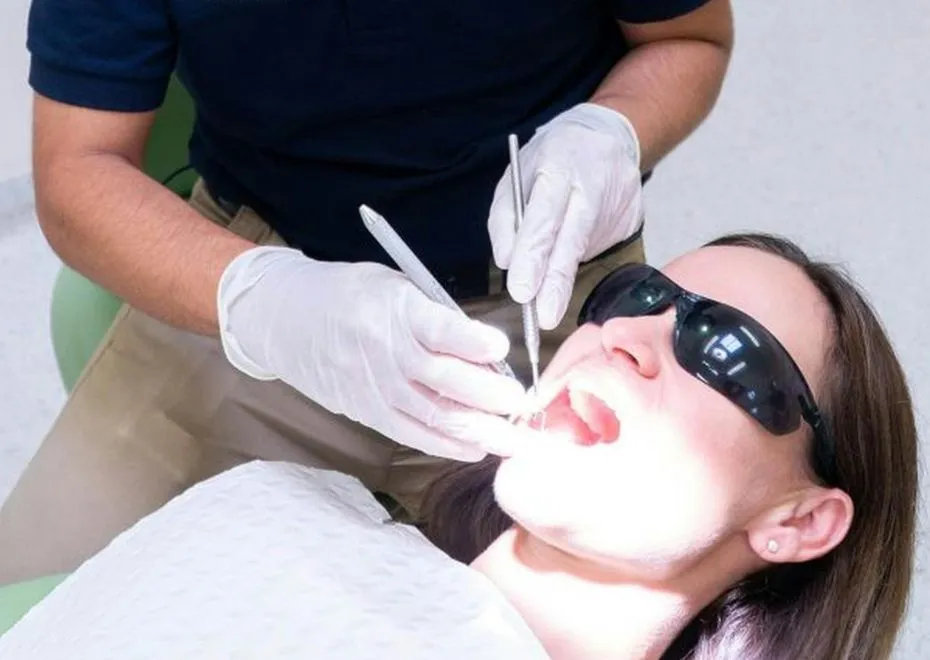
The word surgery does something to people. The moment they hear it, something tightens in the chest. The mind immediately goes to hospitals. Operating theatres. General anaesthetic. Weeks of lying in bed recovering from something serious.
And then someone tells you that you need minor oral surgery and suddenly all of that comes rushing in at once. Here is the truth though. Minor oral surgery is nothing like what most people are picturing. It is a completely different category of procedure from what the word surgery typically brings to mind. It covers a wide range of dental procedures that are carried out routinely. Usually under local anaesthetic. Often in a dental practice rather than a hospital. And with recovery times that genuinely surprise most people because they are so much shorter than expected. If your dentist has referred you, or if someone has mentioned that you might need this kind of treatment, this guide is going to walk you through everything clearly and honestly. What minor oral surgery actually is. What falls under it. What happens before, during, and after. And what kind of specialist is the right person to be doing it.
What Is Minor Oral Surgery?
Minor oral surgery covers the assessment, diagnosis, and surgical management of conditions affecting the mouth, the teeth, and the jaw that simply cannot be sorted out through standard dental treatment on its own.
Think of it as sitting in the middle. On one end you have everyday dental procedures. A filling. A simple extraction. Routine stuff. On the other end you have major surgery that requires a hospital operating theatre, a general anaesthetic, and significant recovery time. Minor oral surgery sits firmly between those two things. It handles everything that is too complex for a standard dental appointment but does not need the full resources of a hospital to be done properly and safely.
Most minor oral surgery is done under local anaesthetic. You stay completely awake throughout the whole thing. The area being worked on is fully numb. You feel pressure. You might feel some movement. What you do not feel is pain. For patients where anxiety is a significant factor, conscious sedation can be added alongside the local anaesthetic. That keeps you deeply relaxed and comfortable without putting you fully to sleep.
Minor oral surgery is carried out by specialist oral surgeons or dentists with advanced training and a special interest in oral surgery. You are typically referred by your general dentist when the treatment you need falls outside what they can safely and effectively provide in their practice.
What Procedures Does Minor Oral Surgery Cover?
This is the part that surprises most people. The range is much broader than they imagined.
Surgical removal of wisdom teeth. This is one of the most frequently performed minor oral surgery procedures. When a wisdom tooth is impacted, meaning it is stuck partially or fully under the gum or trapped beneath bone, a standard extraction simply is not possible. The oral surgeon makes a small, careful incision in the gum. Sometimes a small amount of bone needs to be removed to gain access. The tooth comes out either whole or in sections depending on its position. It is a routine procedure. It is done under local anaesthetic. And for the overwhelming majority of patients, recovery is very manageable with the right aftercare.
Surgical extraction of difficult teeth. Some teeth just do not come out the simple way. Curved roots. Fractured crowns. Roots that have fused to the surrounding bone over time. All of these require a surgical approach rather than a standard extraction. The surgeon elevates a small gum flap to get proper access and uses controlled techniques to remove the tooth safely without causing damage to the structures around it.
Removal of buried or retained roots. Sometimes a root gets left behind. A tooth breaks during an extraction and the root does not come out with it. Or a root simply refuses to move during a standard procedure. Buried roots sitting in the jaw cause real problems if they are left there. Infection. Pain. Complications for the teeth nearby. Surgical removal deals with this properly and permanently.
Exposure of unerupted teeth. Some teeth, particularly canines, simply do not come through on their own. They stay buried under the gum and just sit there. Before orthodontic treatment can move these teeth into their correct position in the mouth, they need to be uncovered first. The oral surgeon makes a small incision, exposes the buried tooth, and bonds a small bracket to it so that orthodontic treatment can take over and guide it into place. This is a procedure that teenagers going through orthodontic treatment often need.
Removal of cysts and lesions. Cysts develop around tooth roots or within the jawbone itself. Left untreated they do not stay small. They grow. They damage surrounding bone. They affect nearby teeth. Surgical removal takes out the cyst and the tissue associated with it. That tissue then gets sent for histopathological assessment so the diagnosis can be properly confirmed.
Soft tissue surgery. This covers the removal of lumps, lesions, and areas of tissue in the mouth that need to be assessed or taken out. A fibrous lump on the gum. A mucocele on the lip. A lesion that needs to be biopsied to rule out something more serious. Catching and removing suspicious soft tissue changes in the mouth early genuinely matters. It is always better to have something checked and removed promptly than to leave it and hope it resolves.
Frenectomy. The frenum is the small band of tissue that connects the lip or the tongue to the gum. When this band is too tight or sits in the wrong position, it causes real problems. It can restrict how the tongue moves. It can pull the gum away from the teeth. It can create a visible gap between the front teeth. It can make wearing a denture very difficult. A frenectomy is a simple procedure that releases or removes this band of tissue and resolves the problem it was causing.
Pre-prosthetic surgery. Before dentures or other prosthetic appliances can fit properly and comfortably, the bone and gum tissue underneath them sometimes need preparation. Irregular bone that would create pressure points needs to be smoothed. Excess gum tissue needs to be managed. Bony prominences that would cause significant discomfort under a denture need to be addressed. Pre-prosthetic surgery creates the right foundation for prosthetics to work properly.
Dental implant placement. Placing a dental implant involves surgically inserting a titanium post into the jawbone to create a stable foundation for a replacement tooth. This falls within the minor oral surgery category for most standard implant cases. More complex cases involving bone grafting, sinus lifts, or significant jaw preparation sit at the more advanced end of the minor oral surgery spectrum and require additional specialist expertise.
When Does Your Dentist Refer You for Minor Oral Surgery?
Your general dentist refers you to a minor oral surgery service when what you need falls outside what they can safely and effectively provide within a standard practice setting. There are several reasons this happens. The procedure itself may require specialist surgical skills, specific equipment, or a clinical environment that a general dental practice is not set up for. Your medical history might make the procedure more complex and warrant specialist management to ensure everything is handled safely. The tooth or teeth involved might be in a position or have characteristics that make a standard approach high risk. You might need sedation alongside local anaesthetic which requires the right setting and appropriate monitoring.
Minor oral surgery services exist precisely for this reason. Some cases are genuinely too complex for a general dental practice to handle but not complex enough to need a full hospital operating theatre. Minor oral surgery sits exactly in that space. Handling the cases that need specialist input and specialist skill but can be managed safely and effectively in a well-equipped clinic environment. At HI Oral Surgery, we accept referrals from general dentists right across Yorkshire and the Midlands. We also see private patients directly without a referral being needed. If you have been told you need oral surgery and you want to be seen by a specialist team quickly and without a lengthy wait, you can contact us directly to arrange your consultation.
What Actually Happens During a Minor Oral Surgery Appointment?
Knowing what is going to happen makes the whole thing considerably less intimidating. Your first appointment is always an assessment. Not treatment. Your oral surgeon goes through your dental history. They look at any X-rays or scans that your referring dentist has sent across. They review your medical history carefully. They carry out a clinical examination of the area being treated. And then they explain everything. What the procedure involves in plain language. What the alternatives are if alternatives exist. What the recovery looks like. This appointment is your opportunity to ask every question on your mind. Do not hold back. If you decide to go ahead, your surgical appointment is usually arranged separately unless the assessment is simple and straightforward enough that treatment can happen on the same day.
On the day of the procedure itself, local anaesthetic is given to completely numb the area. Your surgeon checks that you cannot feel anything sharp before anything starts. You are awake the whole time. You will feel pressure and you may feel movement. You will not feel pain. If at any point you feel something sharp or feel genuinely uncomfortable, you tell your surgeon immediately. They stop. More anaesthetic is given. And you continue only when you are comfortable. How long the procedure takes depends entirely on what is being done. A surgical extraction might be fifteen to twenty minutes once it gets going. Something more involved like cyst removal or tooth exposure for orthodontics takes longer. Your surgeon gives you a realistic time estimate before you start so you know what to expect.
Once the procedure is complete, any incisions are closed with dissolvable stitches. They fall away on their own over the following week or two. You do not need to come back to have them removed. Gauze goes over the area and you bite gently on it to help the clot form properly. Before you leave, you get clear written aftercare instructions covering exactly what to do and what to avoid in the days following your procedure.
What Does Recovery From Minor Oral Surgery Actually Look Like?
Shorter and more manageable than most people are expecting. Every time. For the majority of minor dental surgery procedures, the real discomfort lasts around two to four days. Swelling builds during the first day or two and typically peaks somewhere between forty-eight and seventy-two hours after the procedure. After that it starts to reduce visibly and steadily. The pain itself is usually described as a dull, deep aching sensation rather than anything sharp or severe. Paracetamol or ibuprofen taken regularly and as directed keeps it very manageable for most patients. Stick to soft foods for the first few days. Nothing hard. Nothing crunchy. Nothing chewy. Nothing very hot. Drink plenty of water throughout the day. From twenty-four hours after the procedure, rinse gently with warm salt water after meals. No straws at all during the first week. The suction can dislodge the blood clot in the socket and cause dry socket, which is the complication you really want to avoid. Keep tobacco and alcohol completely away from the healing area.
Most people are back to their normal daily routine within two to four days. Strenuous physical exercise should wait until at least day three or four as physical exertion raises blood pressure and blood flow to the area and can make swelling worse or restart any bleeding that had settled. Dissolvable stitches disappear on their own. No action needed from you.
What Are the Risks?
Minor oral surgery is a safe and routine category of procedures when it is carried out by a properly trained and experienced specialist. But like any surgical procedure, risks do exist. Your surgeon will explain all of them clearly before you give your consent to treatment. Swelling and bruising are expected and temporary. Dry socket is the most common complication after surgical extractions. It happens when the blood clot in the socket is dislodged before the wound has healed properly underneath. It causes significant throbbing pain and a bad taste. It is very treatable when it is identified and addressed promptly. Infection is uncommon but possible and is treated with antibiotics. Temporary nerve sensitivity or altered sensation in the lip, chin, or tongue can occur with lower wisdom tooth removal because of how close the inferior alveolar nerve sits to the tooth roots. This almost always resolves by itself over weeks to months. A specialist oral surgeon is trained and equipped to manage every one of these complications. That is a large part of what makes choosing the right specialist so important.
Why Choose a Specialist Oral Surgeon?
The outcome of any surgical procedure is directly tied to the training and experience of the person doing it. A specialist oral surgeon has years of dedicated postgraduate training focused entirely on oral surgical procedures. This is what they do every single working day. They have the right equipment. The right clinical environment. And the experience and judgement to manage whatever comes up during a procedure.
At HI Oral Surgery, our specialist team carries out the full range of minor oral surgery procedures for patients right across Yorkshire and the Midlands. We see patients referred by their general dentist and we also welcome private self-referrals directly. Our clinics are specifically set up for oral surgery. Everything we need to carry out procedures safely, efficiently, and with patient comfort as the absolute priority is right there. If you have been referred for minor oral surgery, or if you have a dental concern that you think might need surgical treatment, get in touch with our team and arrange a consultation. We are here to help.
Frequently Asked Questions
What is minor oral surgery?
Minor oral surgery covers surgical dental procedures carried out under local anaesthetic that go beyond what a general dentist can manage in a standard practice. It includes surgical tooth extractions, wisdom tooth removal, cyst removal, soft tissue surgery, tooth exposure for orthodontic treatment, and dental implant placement.
Is minor oral surgery painful?
Not during the procedure itself. Local anaesthetic completely numbs the area before any work begins. You feel pressure and movement but not pain. Some discomfort once the anaesthetic wears off afterwards is normal and is managed well with over-the-counter pain relief taken regularly.
How long does recovery from minor dental surgery take?
Most people feel significantly better within two to four days. Swelling peaks around forty-eight to seventy-two hours and then reduces steadily. The majority of patients are back to their normal daily activities within a few days and largely back to normal life by the end of the first week.
Do I need a referral for minor oral surgery?
Most patients arrive via referral from their general dentist. However, many private oral surgery practices including HI Oral Surgery accept direct self-referrals too. You can contact us to arrange a consultation without needing a referral from your dentist first.
What is the difference between minor oral surgery and major oral surgery?
Minor oral surgery is carried out under local anaesthetic in a clinic or dental practice setting and does not require hospital admission. Major oral surgery is carried out under general anaesthetic in a hospital operating theatre and typically involves more complex jaw surgery, reconstruction, or cancer treatment.
Who carries out minor oral surgery?
Minor oral surgery is carried out by specialist oral surgeons or dentists with advanced training and a special interest in oral surgery. At HI Oral Surgery, every procedure is carried out by our specialist team with extensive experience across the full range of minor oral surgical procedures.
