
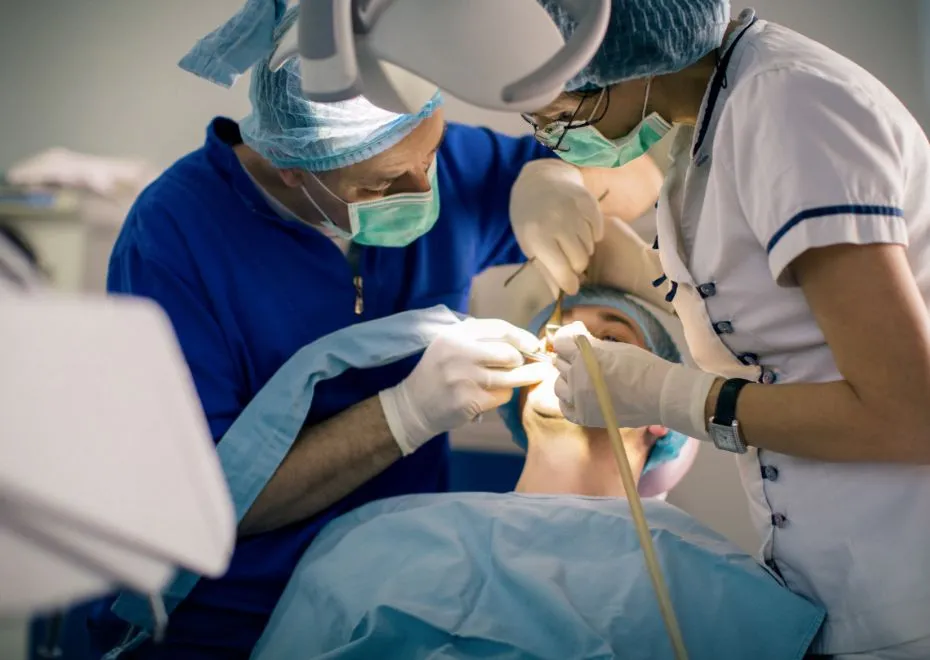
So you’ve just been told you might need oral surgery. And your first thought? Probably something along the lines of oh no.
That’s completely fair. The phrase alone carries a certain weight. It sounds complicated. It sounds uncomfortable. And if you’ve never been through it before, your brain will happily fill in the gaps with the worst possible scenarios. Here’s the thing though. Oral surgery is something millions of people go through every single year. It’s one of the most routine areas in modern dentistry. And with the way techniques and pain management have developed, the experience is genuinely far less dramatic than most people imagine going in.
This guide covers everything. What oral surgery actually is. How it fits into oral surgery dentistry. What minor oral surgery involves. And what the whole journey looks like from your first consultation to the day you’re fully recovered.
Right, let’s get into it.
What Is Oral Surgery? The Basics Explained
The Simple Definition
Oral surgery means any surgical procedure carried out in or around your mouth and jaw.
That’s the whole definition. It takes in a massive range of situations. Removing a tooth that’s beyond saving. Placing a dental implant. Sorting out a jaw that’s been causing problems for years. Some of these procedures are done and dusted in under half an hour. Others take a couple of hours. Some happen in a dental chair. Others need a proper hospital environment. The thing they all share they go further than anything a standard dental appointment can fix.
How Oral Surgery Fits Into Dentistry as a Whole
It helps to picture dentistry in two broad halves. The first half is your everyday dental care. Routine checkups, fillings, crowns, root canals, hygiene appointments. The kind of treatment your regular dentist handles week in, week out.
The second half is oral surgery dentistry. This is specialist territory. It comes into play when a problem has grown past the point where standard dental treatment can deal with it.
Oral surgery dentistry covers a genuinely wide ground. It addresses problems with teeth, gums, the jawbone, and in more complex cases, the facial structure itself. It’s the space where dentistry and surgery overlap and it does a lot of heavy lifting when it comes to restoring people’s oral health and function.
When Is Oral Surgery Recommended?
Your dentist isn’t going to suggest oral surgery unless there’s a real reason for it. It gets recommended when other options have been exhausted or when the problem was always beyond what non-surgical treatment could address.
Conditions That Make Surgery Necessary
There are several situations where surgery becomes the clear path forward. Wisdom teeth that are stuck and causing grief. Teeth so badly broken or decayed that no amount of dental work will save them. Infections that have spread into the jawbone. Bone loss is significant enough that it needs to be rebuilt before other treatment is possible. A jaw or bite that’s affecting the ability to chew, speak, or breathe properly. Cysts, tumours, or suspicious tissue found in or around the mouth. Sleep apnea that hasn’t improved with other treatments.
When Non-Surgical Treatments Are No Longer Enough
A dentist will often try everything else first. Antibiotics to clear an infection. A root canal to save a tooth. Orthodontic treatment to move things into a better position.
But when those approaches don’t deliver or when the damage is already past the point they can help, oral surgery becomes the right next step. It’s not a sign that something has gone terribly wrong. It’s simply the most effective solution for certain problems.
What Is Oral Surgery in Dentistry and How Is It Different from General Dental Care?
Routine Dentistry vs. Oral Surgery: What’s the Difference?
Your regular dentist is brilliant at what they do. Keeping your teeth healthy, catching problems early, filling cavities, fitting crowns, carrying out root canals. But there’s a ceiling to what falls within their scope.
Oral surgery dentistry operates beyond that ceiling. It means cutting into tissue, removing bone, placing implants into the jaw, or restructuring facial anatomy. These are procedures that demand years of surgical training on top of a dental qualification. A useful parallel is that your GP handles a huge range of conditions brilliantly. But some things need a surgeon. The same principle applies in dentistry, and oral surgery dentistry is where that line sits.
The Role of Oral Surgery Dentistry in Modern Treatment Plans
Oral surgery rarely happens in isolation. It’s usually one component in a wider plan.
A patient might need a bone graft before an implant can go in. Wisdom teeth might need removing before orthodontic treatment makes sense. Gum surgery might be a necessary step before restorative work can take place properly.
Oral surgery dentistry operates alongside your general dentist, orthodontist, and any other specialists involved in your care. The aim is always the same the best possible result for your mouth and your long-term health.
Who Performs Oral Surgery?
The type of specialist who carries out your procedure depends entirely on the complexity of your case.
Oral Surgeons
Oral surgeons complete several additional years of training after their dental degree typically a four to six year hospital-based surgical residency. Their focus is on procedures involving the teeth, gums, and structures within the oral cavity. Extractions, dental implants, bone grafting, soft tissue procedures are all squarely in their field.
Maxillofacial Surgeons
Maxillofacial surgeons work at a higher level of complexity. Their scope covers the entire face, jaw, and neck region. They deal with the most demanding cases: facial trauma, reconstructive procedures, corrective jaw surgery, and cancers of the head and neck. Many hold dual qualifications in both dentistry and medicine. The full title oral and maxillofacial surgeon reflects that broad expertise.
Dentists with Enhanced Oral Surgery Skills
In the UK, some general dentists complete additional training that qualifies them to carry out Level 2 oral surgery procedures. These sit above standard dental treatment but don’t need a full specialist referral. You’ll often encounter this within NHS community dental services.
Training and Qualifications Required
The path to becoming an oral surgeon is a long one. After a dental degree comes a minimum of four to six years of hospital-based surgical residency. Surgeons study techniques in depth, develop their anaesthesia knowledge, study anatomy at a detailed level, and build their skills in patient management. Qualifying requires passing rigorous examinations and assessments.
That level of training is what genuinely separates an oral surgeon from a general dentist and it’s the reason patients can feel confident in the hands of a qualified specialist.
What Is Minor Oral Surgery?
Minor Oral Surgery A Clear Definition
Minor oral surgery covers the surgical end of dental treatment but at a level of complexity that sits well below major surgery. These are procedures that go further than a filling or a root canal, but don’t need a general anaesthetic or an overnight stay in hospital. The large majority are carried out under local anaesthetic, in the dental chair, with patients heading home the same day.
In the UK, minor oral surgery is available through NHS referrals and through private dental practices. Most patients arrive via a referral from their general dental practitioner when the procedure falls outside what the GDP handles directly.
How Minor Oral Surgery Differs from Major Oral Surgery
The distinction between minor and major oral surgery comes down to complexity, level of risk, and the setting involved.
Minor oral surgery is a day procedure. It’s done under local anesthetic. The work involved is relatively contained removing a tooth, draining a cyst, taking a small tissue sample. Major oral surgery sits in a completely different category. Corrective jaw surgery, facial reconstruction, cancer-related procedures these require general anaesthetic, a hospital setting, a full surgical team, and a recovery period measured in weeks or months rather than days.
Common Minor Oral Surgery Procedures
The range of procedures that fall under minor oral surgery is broader than most people expect.
Tooth Extractions (Simple and Surgical)
A simple extraction takes out a tooth that sits above the gum line. A surgical extraction is needed when a tooth is broken beneath the surface, impacted, or in a position that makes straightforward removal impossible. The surgeon makes a small incision to gain proper access to the tooth.
Wisdom Tooth Removal
This is the procedure people most commonly associate with minor oral surgery and it’s one of the most frequently performed dental procedures in the UK.
Wisdom teeth are the third molars. They try to come through between the ages of 17 and 25. When the jaw doesn’t have enough room for them, they become impacted, stuck beneath the gum or growing at an angle. The result is pain, swelling, infection, and often damage to the teeth sitting next to them. Surgical removal is the standard solution.
Apicectomy (Root-End Surgery)
An apicectomy is used when a root canal hasn’t fully dealt with an infection at the tip of the tooth root. The surgeon makes a small incision in the gum, removes the infected tissue at the root end, and seals it. It’s a precise, targeted procedure and one that can save a tooth that might otherwise have to come out.
Soft Tissue Biopsies and Lesion Removal
Any lump, ulcer, or unusual patch in the mouth that doesn’t resolve on its own needs to be checked. A biopsy means taking a small tissue sample and sending it to a lab for analysis. It’s a crucial step in identifying oral cancer at its earliest stage when treatment is most effective.
Non-suspicious benign lesions can be removed as a routine minor procedure under local anaesthetic.
Cyst Removal from the Jaw
Cysts are fluid-filled sacs that form in the jawbone or the surrounding soft tissue. They often cause no symptoms early on, but left untreated they grow and as they grow, they cause damage to the teeth and bone around them. Surgery removes the cyst and any affected tissue, giving the area the clean start it needs to heal.
Retained and Buried Root Removal
Sometimes a tooth breaks during extraction, leaving part of the root sitting in the jaw. Other times a root becomes buried in the bone over time. If it’s causing infection, pain, or interfering with other treatment, it needs to be removed surgically.
Is Minor Oral Surgery Done Under Local Anaesthetic?
In the majority of cases, yes. Minor oral surgery uses local anaesthetic. You’re awake throughout, but the area being treated is completely numb. You won’t feel pain. You might feel pressure or a sense of movement — that’s normal. If anything feels sharp at any point, tell your surgeon straight away.
For patients who are particularly anxious, conscious sedation is available. This is usually delivered through an IV line and puts you in a state of deep, calm relaxation. You stay conscious and can respond to the team, but most patients come round with little or no memory of what happened. It’s an option that makes a real difference for people who would otherwise avoid treatment. General anaesthetic being fully asleep is reserved for more complex procedures or where specific medical factors make other approaches unsuitable.
Minor Oral Surgery on the NHS vs. Private Treatment
Both options exist in the UK. NHS minor oral surgery comes through a referral from your GDP to an NHS oral surgery service. Waiting times vary depending on where you live and how stretched local services are. Private treatment can be arranged directly through specialist dental practices. Waiting times tend to be shorter and there’s generally more flexibility around appointments. Costs differ based on the procedure and the practice.
Common Types of Oral Surgery Procedures Explained
Oral surgery takes in a wide range of treatments. Some will be familiar. Others might be new to you. Here’s a clear breakdown of the most common procedures and what each one actually involves.
Dental Implants
Dental implants are widely regarded as the best available option for replacing a missing tooth. The procedure involves placing a small titanium post directly into the jawbone. This post works as an artificial root. Over the following months, the implant bonds with the surrounding bone a process called osseointegration. Once that’s complete, a dental crown is secured on top. The result is a replacement tooth that looks natural, feels secure, and works exactly like a real tooth.
Implants restore proper chewing function. They prevent the bone loss that starts happening when a tooth goes missing. And in terms of look and feel, they’re closer to a natural tooth than anything else currently available.
What the Procedure Involves
The surgeon makes a small incision in the gum to reach the jawbone. A precisely sized hole is drilled. The implant is placed and the gum is stitched closed. Then comes the healing period — usually several months while the implant integrates with the bone before the crown goes on.
The whole thing is done under local anesthetic. Most patients find it considerably more straightforward than they were anticipating.
When Bone Grafting Is Required First
When a tooth has been missing for a while, the jawbone underneath starts to shrink. This is called bone resorption and it can mean there’s no longer enough solid bone to hold an implant in place. A bone graft addresses this. Material from your own body, from a donor, or from a synthetic source is placed in the area. Once it integrates with the surrounding bone and heals properly, the jaw is strong enough to support an implant.
It adds time to the process. But it’s what makes the implant possible in the first place.
Corrective Jaw Surgery (Orthognathic Surgery)
Orthognathic surgery repositions the upper jaw, lower jaw, or both. It’s used to fix serious misalignment that’s creating problems with biting, chewing, speaking, or breathing. It can also correct facial asymmetry that comes from the underlying jaw structure being off.
Who Needs It?
This procedure is typically recommended for patients with a pronounced overbite, underbite, or open bite. It’s also used when the upper and lower jaws are significantly different in size, or when a structural jaw issue is driving chronic pain, disturbed sleep, or persistent difficulties eating. It almost always runs alongside orthodontic treatment. Braces or aligners are usually worn before and after surgery to get the teeth into positions that work with the corrected jaw.
What Results to Expect
The improvements are often significant. Biting and chewing become more comfortable. Speech problems linked to jaw alignment frequently resolve. And many patients feel far more comfortable in their own skin once the structural issue has been properly addressed.
Recovery involves careful eating and monitoring over several weeks. It takes time. But for the right candidate, the long-term results are often genuinely life-changing.
Periodontal (Gum) Surgery
Gum surgery becomes necessary when periodontal disease has progressed past the stage where cleaning and scaling can manage it. Flap surgery is the most common approach. The gum is lifted away from the teeth, the bacteria and infected tissue underneath are thoroughly cleared out, and the gum is then repositioned snugly around the teeth. This cuts down the depth of the pockets where bacteria have been building up. Gum grafting is used when gums have pulled back significantly. Tissue taken from the roof of the mouth is used to cover exposed root surfaces.
TMJ (Jaw Joint) Surgery
The temporomandibular joint connects your jawbone to your skull. When it becomes inflamed or damaged, it causes clicking, pain, jaw locking, and difficulty opening or closing the mouth properly.
Most cases respond well to non-surgical management splints, physiotherapy, anti-inflammatory medication. But when the joint itself is severely damaged, surgery may be the only way to repair or replace it.
Cleft Lip and Palate Repair
A cleft lip or palate is a condition a child is born with. It happens when parts of the face don’t fully form during development in the womb, leaving a gap in the lip, the roof of the mouth, or both.
Maxillofacial surgeons carry out a series of repair procedures. These typically start in early infancy and may continue through childhood and into the teenage years. The goal is to close the gap and give the child the ability to eat, speak, and breathe properly.
Treatment of Oral Infections and Abscesses
A dental abscess is a build-up of infection around a tooth or in the gum. When it spreads into the jaw or toward the neck, it becomes a medical situation that needs urgent attention.
When antibiotics alone can’t bring it under control, surgical drainage is needed. The surgeon opens the area, drains the infection, and cleans it out so healing can begin. In some cases the affected tooth has to be removed as part of clearing the infection completely.
Oral Cancer Treatment and Biopsy Procedures
Any suspicious patch, lump, or sore in the mouth that isn’t clearing up needs to be checked. A biopsy is how a small tissue sample is taken and sent to a lab to establish exactly what it is.
If oral cancer is confirmed, surgical removal of the tumour is usually the first line of treatment. Depending on how far the disease has spread, radiotherapy or chemotherapy may follow. Catching it early makes an enormous difference to outcomes. Any change in the mouth that hasn’t been resolved within a couple of weeks should be seen by a professional without delay.
Sleep Apnea Surgery
Sleep apnea causes the airway to partially collapse during sleep, interrupting breathing repeatedly through the night. A CPAP machine or a dental splint manages it well for many people.
But in cases where the problem is structural where the anatomy of the jaw or throat is causing the obstruction surgery can offer a far more lasting fix. Procedures might involve repositioning the jaw, reducing soft tissue at the back of the throat, or a combination of both.
What Happens Before Oral Surgery?
Good preparation makes a real difference to how your procedure goes and how smoothly you recover. Here’s what the lead-up typically looks like.
Initial Consultation and Assessment
Everything starts with a consultation. Your oral surgeon will go through your dental and medical history, ask about any medications you’re taking, and carry out a thorough examination of the area that needs treatment. They’ll explain their findings and walk you through what they’re recommending and why. It’s also your opportunity to ask anything you want answered. A good surgeon will want you fully informed and comfortable before anything is confirmed or scheduled.
X-Rays, 3D Scans, and Pre-Surgical Imaging
Imaging is a standard part of almost every oral surgery procedure. Standard X-rays give a clear view of the teeth and surrounding bone. For more complex planning, a CBCT scan cone beam CT is often used. This produces a detailed 3D image of the mouth and jaw, allowing the surgeon to see exactly where nerves are positioned, assess bone density, and plan the procedure with real precision before the day itself.
Pre-Operative Instructions to Follow
You’ll be given a set of specific instructions before your procedure. Follow them carefully — they’re there for good reason.
Fasting and Medication Guidelines
If you’re having sedation or general anaesthetic, fasting is required beforehand — typically for six to eight hours. It’s a standard safety measure that reduces the risk of complications during anaesthesia.
Your surgeon will also go through your regular medications with you. Some blood thinners in particular, and certain anti-inflammatories may need to be paused in the days before surgery. Never stop a prescribed medication without checking with your surgeon or GP first.
Arranging Transport and Support
If sedation or general anaesthetic is involved, you cannot drive yourself home afterwards. That’s a firm safety requirement not a suggestion. Someone needs to collect you and stay with you for the rest of the day. Even when only local anaesthetic is involved, having someone with you for more significant procedures is sensible.
Discussing Anaesthesia Options with Your Surgeon
Your surgeon will talk through the anaesthesia options that apply to your specific procedure.
Local Anaesthesia
An injection numbs the treatment area completely. You stay fully awake and aware, but feel no pain. This is the standard approach for most minor oral surgery procedures. Many patients are surprised by how comfortable and manageable it turns out to be.
Conscious Sedation (IV Sedation)
A sedative is delivered through a small needle placed in the back of your hand. Within a few minutes you feel deeply calm. You stay conscious and can respond to the team, but you’re in a relaxed, drowsy state throughout. Most patients come out of it with very little memory of the procedure. For anxious patients, this option is often genuinely transformative.
General Anaesthetic
You’re completely asleep. This is used for complex or lengthy procedures, or when other forms of anaesthesia aren’t suitable. General anaesthetic for oral surgery is carried out in a hospital setting with a full clinical team present.
What to Expect During an Oral Surgery Procedure
Step-by-Step Overview of a Typical Session
Every procedure is different, but most sessions follow a fairly consistent pattern. You arrive, complete any remaining paperwork, and the team walks through the plan with you one final time. The anaesthetic is administered and you wait for it to take full effect. The surgeon then carries out the treatment making incisions, removing tissue or teeth, placing implants, or whatever the specific procedure requires. Stitches are placed if needed. The area is cleaned and dressed. If you had sedation, you rest in a recovery area until you’re ready to leave. Before you go, you’ll receive your post-operative care instructions. Take them home. Read them properly. Follow them.
How Long Does Oral Surgery Take?
That depends entirely on what’s being done. A surgical extraction might take 20 to 30 minutes. Wisdom tooth removal usually sits between 30 and 60 minutes. A dental implant procedure often takes 60 to 90 minutes. More extensive work like jaw surgery can run to several hours. Your surgeon will give you a clear time estimate at your consultation.
Will You Feel Pain During the Procedure?
No. That’s the straightforward answer. Local anaesthetic removes pain from the area being treated. You might feel pressure, vibration, or a sense of movement but not pain. If anything feels sharp at any point, say so immediately. Your surgeon can give more anaesthetic without any issue.
The discomfort that comes with oral surgery arrives in the recovery period not while you’re in the chair.
What the Surgical Team Does to Keep You Safe
Keeping you safe is the team’s first priority from start to finish. Your vital signs are checked before anything begins. Blood pressure, oxygen levels, and heart rate are monitored throughout the procedure. Every instrument used is sterile. Every technique is designed to reduce infection risk. If sedation is involved, a trained specialist manages it from beginning to end.
Oral surgery today is very safe. Serious complications are uncommon especially when care is delivered by qualified specialists working in a properly equipped setting.
Recovery After Oral Surgery
Recovery is where your contribution to the process begins. The care you take in the days after surgery directly affects how well you heal and how quickly you get back to normal.
What to Expect in the First 24 to 48 Hours
The first two days are the most important. Some swelling, bruising, and minor bleeding are completely normal and expected. Swelling usually peaks around day two or three before it starts to come down. Keep your head elevated when resting and when sleeping it reduces both swelling and discomfort. Bite gently on the gauze pad your surgeon provides to manage any bleeding. Change it as directed. For the first 24 hours, avoiding rinsing, spitting, or touching the wound doing any of these things can disturb the blood clot that’s forming, and that clot is critical for healing.
Managing Pain and Swelling
Your surgeon will prescribe pain relief or point you toward over-the-counter options like ibuprofen or paracetamol. Take them as directed. Don’t wait until the pain has built up before reaching for them. An ice pack wrapped in a cloth and held against the cheek works well in the first 24 hours for keeping swelling in check. After 48 hours, a warm compress is more effective for easing stiffness and soreness. Keep alcohol and cigarettes out of the picture during recovery. Both actively interfere with healing and significantly raise the risk of complications.
Dietary Guidelines During Recovery
Soft food is the order of the day for the first several days.
Good options include yoghurt, mashed potato, scrambled eggs, blended soups, smoothies, and soft pasta. Avoid anything hard, crunchy, chewy, or heavily spiced. Hot drinks should be skipped for the first 24 hours.
As things settle and your mouth becomes more comfortable, you can gradually reintroduce normal foods. Your surgeon will advise when it’s safe to make that move.
Oral Hygiene After Surgery
Keeping the mouth clean matters but you need to be careful about how you go about it. For the first 24 hours, keep your toothbrush away from the wound area. From day two, begin rinsing gently with warm salt water several times a day. It keeps the area clean and helps reduce the risk of infection developing.
When brushing, be careful near the surgical site. Resist the urge to probe the wound with your tongue or fingers.
Recovery Timelines by Procedure Type
How long recovery takes depends on what you have done.
Minor Extractions (3–5 Days)
Most people are largely back to normal within three to five days. Swelling and soreness ease off quickly. A few days of soft food, then back to eating normally soon after.
Wisdom Tooth Removal (7–14 Days)
Recovery after wisdom tooth removal typically runs one to two weeks. Swelling is more noticeable and tends to peak around day three. Most people are back to work and normal activities within five to seven days, though full healing of the gum takes a few more weeks.
Dental Implants (Several Weeks to Months)
The implant site itself heals within one to two weeks. The bigger process the implant integrating with the jawbone takes three to six months. During this time you’ll attend follow-up appointments so your surgeon can track how things are progressing before the final crown is fitted.
Jaw Surgery (Up to 3 Months)
Orthognathic surgery has the longest recovery of any commonly performed oral surgery procedure. Initial healing takes four to six weeks. A liquid or very soft diet is required for several weeks during this phase. Full recovery — with bone healing complete and swelling fully resolved — can take up to three months or longer.
Risks and Complications to Be Aware Of
Oral surgery has a strong safety record. But like any surgical procedure, things can occasionally go wrong. Knowing what to watch for means you can get help quickly if something doesn’t feel right.
Common Side Effects (Normal and Expected)
Swelling, bruising, minor bleeding, and soreness in the days following surgery are all normal. They’re signs of your body getting on with the job of healing. They improve steadily over the first week.
Less Common Complications
Dry Socket After Extraction
Dry socket is one of the more common complications following a tooth extraction. It happens when the blood clot in the socket becomes dislodged or breaks down before the tissue has healed. With the bone exposed, the result is an intense throbbing pain usually starting around day three or four after surgery.
It’s more likely in smokers and in women taking the contraceptive pill. If you think you have a dry socket, contact your surgeon. Treatment involves cleaning the socket and placing a medicated dressing to protect it and bring the pain under control.
Infection at the Surgical Site
Warning signs include increasing pain, growing swelling, redness, fever, or an unpleasant taste in the mouth several days after surgery. Caught early, an infection is treated with antibiotics and clears up without lasting problems. Left alone, it can escalate. Don’t ignore the signs.
Nerve Sensitivity or Temporary Numbness
For certain procedures lower wisdom tooth removal in particular nerves in the area can occasionally be affected. This produces temporary numbness, tingling, or altered sensation in the lip, chin, tongue, or cheek. For most patients it resolves on its own over weeks or months. Permanent nerve damage is uncommon.
How to Minimise Your Risk of Complications
Follow the pre-operative instructions you’ve been given. Stick to your post-operative care plan. Stop smoking before surgery and avoid it during recovery. If antibiotics are prescribed, take the full course even if you feel fine after a few days. Show up to all scheduled follow-up appointments.
When to Contact Your Oral Surgeon After Treatment
Get in touch with your surgeon if any of the following happen: Bleeding that doesn’t stop despite 30 minutes of applied pressure. Pain that’s getting worse rather than better after the third day. Fever, increasing swelling, pus, or a persistent bad taste — any of these could signal infection. Numbness that’s still present beyond a few days. Anything else that feels wrong or out of the ordinary. Act early rather than waiting and hoping. The sooner you get in touch, the easier the situation is to manage.
Oral Surgery and Dental Anxiety What to Know
Why Patients Fear Oral Surgery (and Why They Shouldn’t)
Dental anxiety is incredibly common. Add the word surgery into the mix and that anxiety often goes up a notch.
But talk to people who’ve been through oral surgery and they’ll almost all tell you the same thing. The anticipation was far worse than the actual experience. The imagination tends to run well ahead of reality.
Modern oral surgery is refined and precision-driven. Patient comfort is built into the whole process. Surgical teams work with anxious patients every single working day. You won’t be the first nervous person to walk through the door. And you won’t be judged for it.
How Sedation Options Help Nervous Patients
If anxiety is a real concern for you, raise it with your surgeon before the day of the procedure. IV sedation is particularly effective for patients who struggle with dental treatment. You remain conscious throughout, but you feel deeply, genuinely calm. Most patients describe feeling very little during the procedure and remembering even less afterwards. For someone who has been avoiding treatment for years because of fear, this option can be the thing that finally makes it possible to get the care they need.
Tips for Staying Calm Before and During Your Procedure
Tell your team about your anxiety. They need to know so they can adapt their approach and offer proper support. Ask your surgeon to walk you through each step before doing it. A lot of patients find that simply knowing what’s coming next takes away a significant amount of the anxiety. Bring headphones, music, a podcast, an audiobook. Have someone you trust come with you on the day. And try to keep your focus on the end result on the relief of having the problem dealt with and the recovery behind you.
Frequently Asked Questions About Oral Surgery
Is oral surgery painful?
Not during the procedure. Local anaesthetic or sedation means you won’t feel pain while treatment is happening. There will be some discomfort during recovery, but it’s manageable with the right pain relief prescribed or over the counter.
How long does oral surgery take?
It varies. A simple procedure might take 20 to 30 minutes. A complex one can run for several hours. Your surgeon will give you a clear estimate at your consultation.
What is the most common type of oral surgery?
Tooth extraction and wisdom tooth removal in particular is the most frequently performed oral surgery procedure.
Can I drive home after oral surgery?
Not if you’ve had sedation or general anaesthetic. You need a lift arranged in advance — it’s a safety requirement. Even with local anaesthetic only, having someone with you for more significant procedures is always a sensible call.
What is minor oral surgery used for?
Minor oral surgery covers surgical extractions, wisdom tooth removal, apicectomies, cyst removal, soft tissue biopsies, and the removal of retained or buried roots. It’s carried out under local anaesthetic as a day procedure in the vast majority of cases.
Is oral surgery covered by the NHS?
Many oral surgery procedures are available on the NHS through a referral from your general dentist. Dental implants and certain elective treatments, however, are not routinely funded by the NHS and would need to be arranged privately.
How do I find a qualified oral surgeon near me?
Start with your general dentist they can refer you to the right specialist. In the UK, the General Dental Council maintains a specialist register that can be searched online to find registered oral surgery specialists in your area.
Final Thoughts Understanding What Oral Surgery Is and When You Need It
Oral surgery is not something to dread. Yes, the word surgery carries a certain weight. But this is one of the most routinely performed areas of modern dentistry. Millions of people go through it every year. And the large majority come out the other side wondering what they were so worked up about.
Your situation is your own. You might need a wisdom tooth removed. You might be looking at a dental implant. You might be heading toward a minor oral surgery procedure done in the chair under local anaesthetic. You might need something more involved. In every case, oral surgery dentistry has an approach built around exactly where you are and what you need. The important things are straightforward. Get proper information. Choose a qualified specialist. Follow the guidance you’re given before and after treatment. And don’t delay getting seen. The sooner you act, the simpler the solution almost always turns out to be. Your mouth and the rest of your health will be better for it.
